
What Makes Great Meta Ad Creative for Luxury Interior Design Brands
Great Meta ad creative for luxury interior design brands earns trust before it earns a click. It replaces generic lifestyle imagery with specific, credible proof of craft and results, targets narrow audience personas rather than broad "luxury interest" categories, and is tested systematically — not published once and left to run. The brands that get this right don't just look premium; they convert premium browsers into premium leads, consistently, over months rather than one campaign burst.

Most agencies treat "luxury creative" as a moodboard problem: soft lighting, marble, a designer's signature font. That's necessary but nowhere near sufficient. For interior design brands specifically, the real differentiator is proof — showing the actual transformation, the actual craftsmanship, the actual client outcome — paired with a testing discipline that finds out which version of that proof actually converts a skeptical, high-net-worth audience.
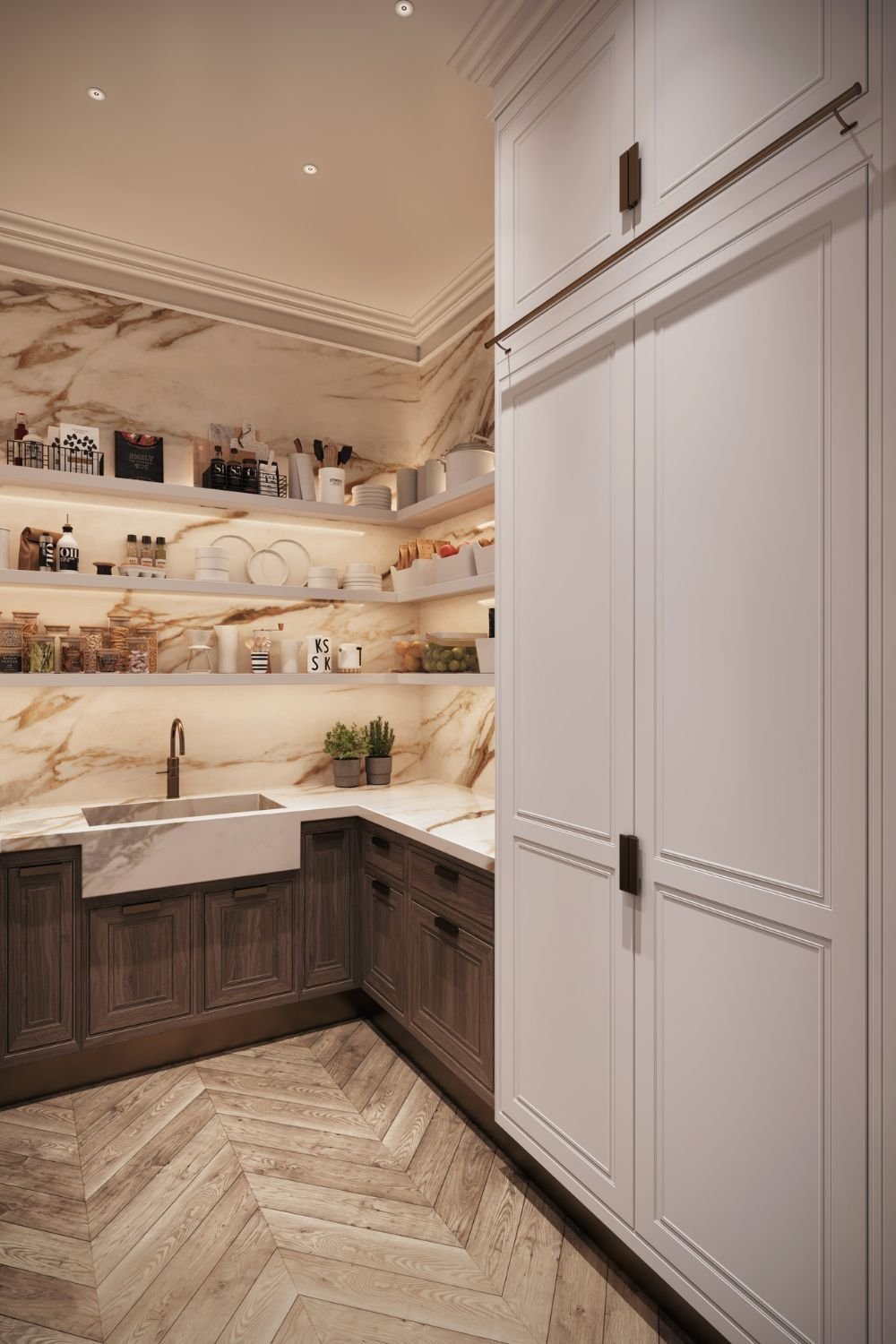
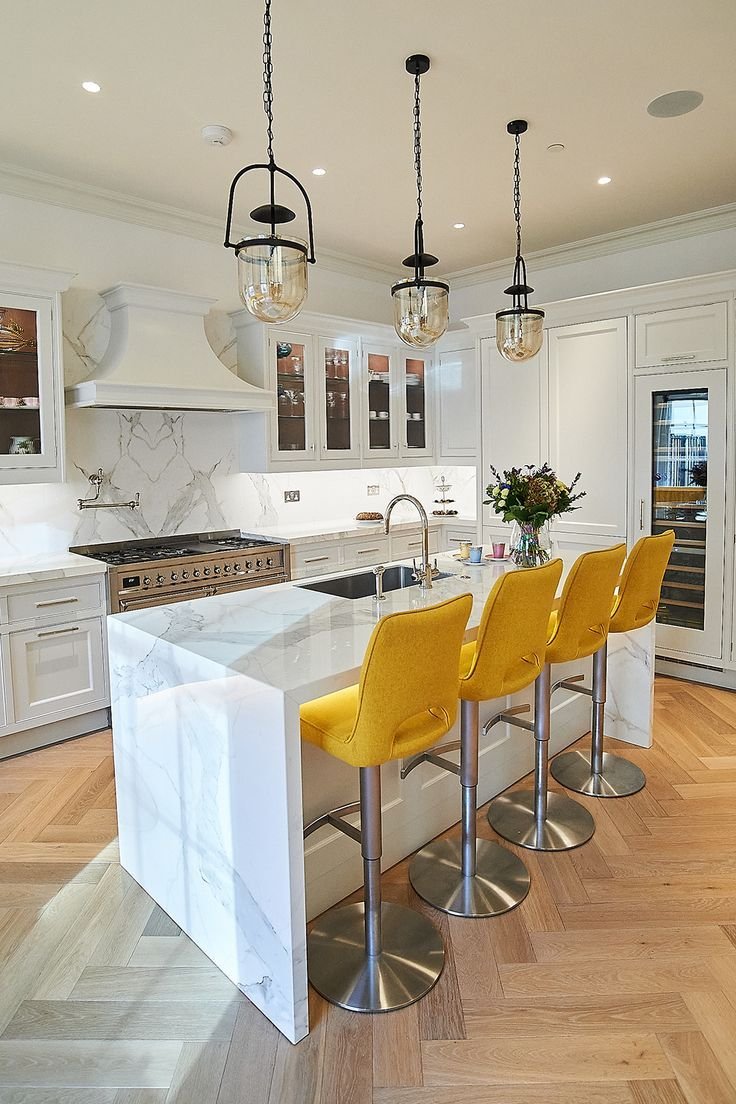
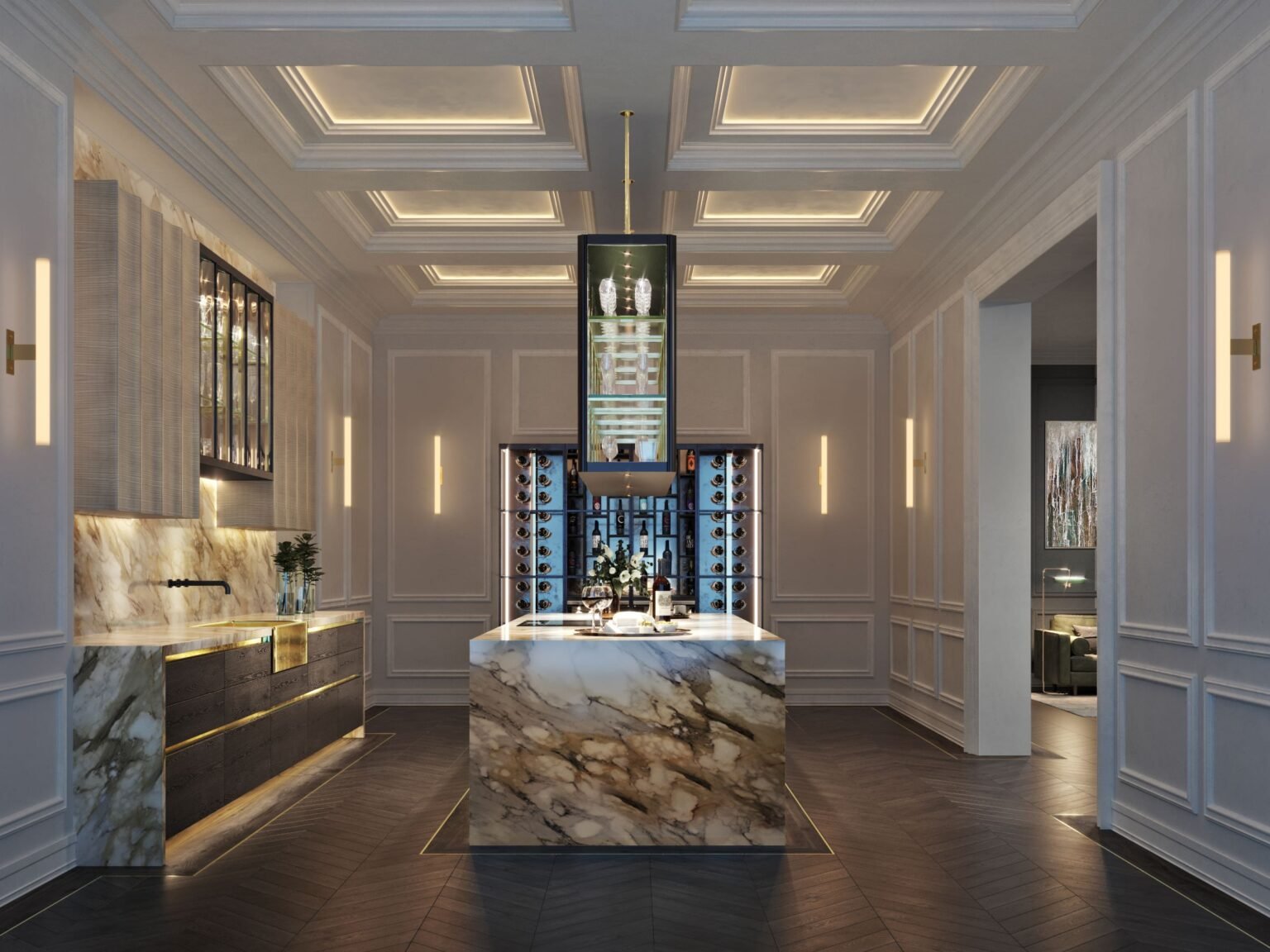
We took this approach with Smallbone, the British bespoke kitchen and furniture maker serving some of the UK's most prestigious private residences and developments. Smallbone's challenge wasn't a lack of beautiful product, it was translating that craftsmanship into paid social creative that felt as considered as the kitchens themselves, across Meta, while building enough creative volume to actually learn what worked.
Rather than running a handful of "safe" luxury lifestyle ads, we built a content and paid creative system: a mix of static product craftsmanship shots, video process content, carousel storytelling, and testimonial-style social proof, tested against defined audience segments and iterated in short cycles based on real engagement and lead data - not assumptions about what "luxury" audiences want to see. That system is what let Smallbone move from inconsistent engagement and underperforming paid spend to a cohesive, high-performing paid and organic presence built around genuine brand credibility.
Audience personas: who you're actually targeting matters more than the visuals. Before any creative gets made, the audience has to be defined precisely. Treating these as one audience with one creative approach is the single most common reason luxury interior creative underperforms.
A Creative Testing Framework That Actually Compounds
This is where most paid media falls down: not a lack of good creative, but no system for finding out which creative is actually good. Here's the framework we run, adapted for interior design and premium home brands:
Phase 1 - Volume
Launch a host of new creatives every week, split across testing types. The goal at this stage isn't performance, it's generating enough real data, fast enough, to make decisions with confidence. As a rule of thumb, we look for a minimum of 50 purchase or lead events per week across the account before drawing conclusions from any single creative.
Phase 2 - Converting data into actions
Not every "winner" should scale the same way:
Strong CPA, strong CTR and conversion rate: clear winner, scale with confidence.
Strong CPA, strong CTR but weaker conversion rate: scale cautiously, and check conversion rate doesn't slip as spend increases.
CPA within target but weak conversion rate: the creative isn't the problem - check landing page, offer clarity, and audience quality first.
Strong engagement (CTR, hook rate) but CPA over target: the creative is working; the economics need adjusting via offer, pricing, or audience refinement, not a new concept.
One addition we'd recommend to any team running this framework: validate scaling decisions against CPA-to-lifetime-value by client or project type, not just CPA in isolation. A £45 lead that becomes your highest paying client is not equivalent to a cheaper lead that never converts past enquiry and blended CPA alone can't tell the two apart.
Phase 3 - What the Creative Itself Is Telling You
• Strong hook rate + CTR signals the opening seconds are earning attention = the angle is right.
• High hold rate (watch-through) signals the creative earns attention beyond the scroll-stopping moment - this is what should get duplicated into the scaling campaign, typically at 2-3x the original test budget.
• Scale in 20% increments to avoid resetting Meta's learning phase, a rule that's easy to know and surprisingly easy to break under pressure to grow fast.
Iterate, Don't Replace.
Once a creative is winning, the instinct is often to move on to a completely new concept. A better discipline is to iterate the same angle with a new creator, format, or hook before testing net-new concepts. Competitor creative and category trends (what's performing in adjacent premium home and lifestyle categories) are useful inputs here, but they should inform new test variants, not replace your own performance data.
While you maintain a live creative pipeline of new assets weekly, holding some in reserve specifically for iterating on proven winners rather than only chasing new concepts is the right move.
Pause and Scale Discipline
Clear, pre-agreed rules remove emotion from the decision:
• Pause if CPA exceeds target for 2-3 consecutive days.
• Increase budget if CPA sits comfortably below target with healthy volume behind it.
Audience Expansion, Done Carefully
Start with broad targeting, then expand into lookalike audiences (typically 5-10%) built from your highest-value past converters - not simply anyone who filled in a form. Today, Meta’s newest algorithm Andromeda likes broad signals paired with strong creative. It can outperform narrow targeting alone, and the only way to know is to test both rather than assume.
The Takeaway
High-end interior design brands don't get low conversions on Meta because their product isn't beautiful enough but likely because their creative isn't tested rigorously enough. A defined persona structure, a genuine testing cadence, and disciplined pause and scale rules are what turn good-looking ads into a paid channel that actually compounds - which is exactly what we built for Smallbone, and what we'd build for the next luxury home or interior brand ready to treat paid social as a system, not a campaign.